

Two Countries, One Seamless Journey: Curated Travel Pairings That Redefine Luxury
Some journeys are memorable because of where you go. Others stay with you because of how they unfold.
There is a certain art to pairing destinations. When done thoughtfully, a multi-country itinerary does not feel busy or overwhelming. It feels intentional. Balanced. Effortless.
The most elevated travel experiences are not about checking more places off a list. They are about contrast, pacing, and how each destination enhances the next.
Below are a few refined pairings designed for travelers who want their time away to feel both expansive and deeply considered.
Spain & Morocco: A Study in Contrast
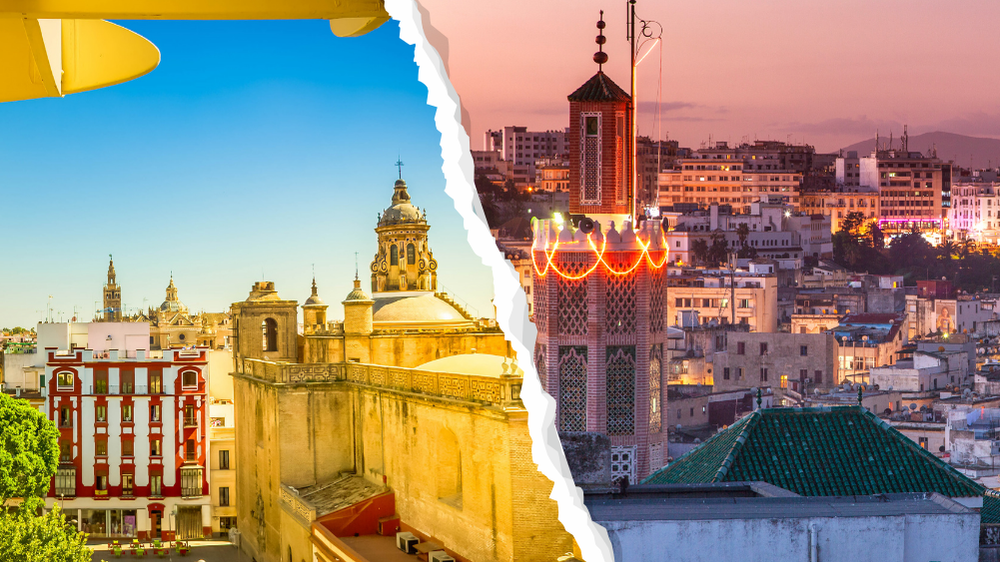
Few pairings offer such an immediate and tangible shift in atmosphere as southern Spain and northern Morocco. What makes this combination so compelling is not just proximity, but how distinctly each destination feels while still sharing subtle historical threads.
In southern Spain, the experience unfolds with ease. Cities like Seville and Granada are shaped by centuries of layered influence, where Moorish architecture still defines the visual identity. Mornings begin unhurried, often with coffee in a sunlit plaza or a quiet walk through tiled courtyards and orange tree-lined streets. The pace is naturally slow. Time stretches across long lunches, late dinners, and evenings that begin only after the sun has softened.
Architecturally, there is a sense of refinement and symmetry. Intricate details reveal themselves gradually, whether in palace walls, hidden patios, or historic neighborhoods where every turn feels considered. The experience is immersive, but never overwhelming. It invites observation, not urgency.
Crossing into Morocco, even by a short ferry ride across the Strait of Gibraltar, introduces an immediate change in energy.
Tangier feels alive in a different way. The medina is less about quiet admiration and more about participation. Streets narrow, sounds layer over one another, and movement becomes part of the experience. Markets are not just places to browse, they are environments to navigate. Colors deepen, scents become more pronounced, and textures shift from polished stone to woven fabrics and handcrafted goods.
Where southern Spain feels curated and composed, Tangier feels dynamic and spontaneous. The contrast is not jarring, it is invigorating. It gives travelers the sense of stepping into a completely different world without the fatigue of long-haul travel or complex logistics.
What makes this pairing especially effective is how naturally it can be structured. A typical flow begins in Spain, allowing travelers to ease into the journey. From there, a short flight or ferry connects seamlessly to Tangier, making Morocco feel like an extension rather than a separate trip.
However, restraint is key to preserving the experience. Expanding beyond northern Morocco, such as adding Marrakesh, often introduces unnecessary transit time and disrupts the balance. Keeping the Moroccan portion focused allows the contrast to feel intentional rather than rushed.
This pairing ultimately works because it delivers variety without sacrificing flow. It offers two distinct cultural identities, two different rhythms, and two complementary perspectives on history and daily life, all within a single, well-paced itinerary.
Ideal for: Couples seeking cultural richness with a refined pace
Suggested timing: 10 to 14 days
Design insight: Keeping Morocco focused on Tangier preserves the flow of the journey
Sri Lanka & The Maldives: From Exploration to Exhale
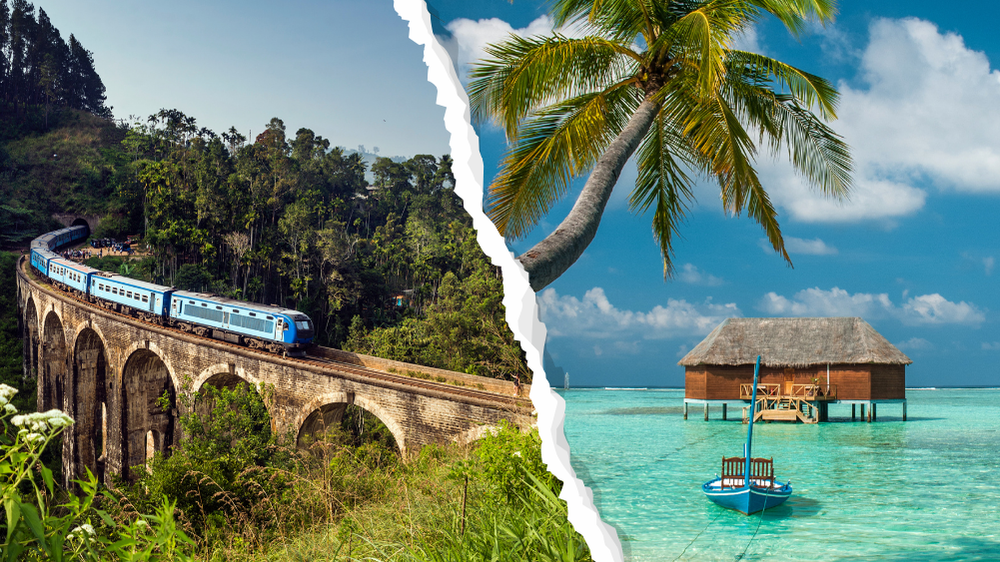
This pairing is less about contrast in culture and more about contrast in pace, energy, and how a journey is felt in the body over time.
Sri Lanka is immersive from the moment you arrive. The landscape is constantly shifting, often within just a few hours of travel. One day begins in the cultural triangle, where ancient sites like Sigiriya rise dramatically from the earth, surrounded by jungle and history that feels almost tangible. Another unfolds in the hill country, where train rides cut through endless tea plantations, mist settling softly over the mountains. Then come wildlife encounters, particularly in national parks like Yala, where safaris introduce a completely different rhythm to the day.
There is a natural fullness to Sri Lanka. Days are layered and textured. Mornings start early, movement is frequent, and experiences feel active without being rushed. It is the kind of destination that engages curiosity at every turn, whether through food, landscape, or local life. By the time the Sri Lanka portion of the journey concludes, travelers often feel deeply fulfilled, but also ready to slow down.
That transition is exactly where the Maldives comes in.
Arriving in the Maldives shifts everything almost instantly. Transfers by seaplane or boat set the tone, revealing islands surrounded by impossibly clear water. Once at the resort, structure fades. There are no packed itineraries here, no need to move from place to place. Time becomes fluid.
Days are intentionally simple. Mornings ease in slowly, often beginning with the sound of water just outside an overwater villa. Afternoons revolve around light activities such as snorkeling, spa treatments, or doing very little at all. Evenings feel unhurried, shaped by sunsets that seem to pause time entirely.
What makes this pairing so effective is not just the difference between the two destinations, but the order in which they are experienced.
Starting with Sri Lanka allows travelers to fully engage while their energy is highest. Ending in the Maldives creates a natural release. There is no pressure to explore, no sense of missing out. Instead, there is space to absorb everything that came before it.
Reversing this order tends to disrupt that flow. Beginning with stillness makes it harder to re-engage with a more active itinerary afterward. Designed correctly, the journey should feel like a gradual unwinding rather than a reset.
Logistically, the pairing is also efficient. Direct flights between Sri Lanka and Malé make the transition smooth, reinforcing the sense that this is one cohesive journey rather than two separate trips.
At its core, this combination works because it mirrors what many travelers are actually seeking but rarely articulate. Not just experiences, but balance. Not just movement, but release.
It begins with discovery and ends with complete, uninterrupted exhale.
Ideal for: Honeymoons, anniversaries, and milestone escapes
Suggested timing: 12 to 14 days
Design insight: Always begin with Sri Lanka and close in the Maldives for a natural transition into rest
Botswana & South Africa: Elevated Wilderness & Refined Living
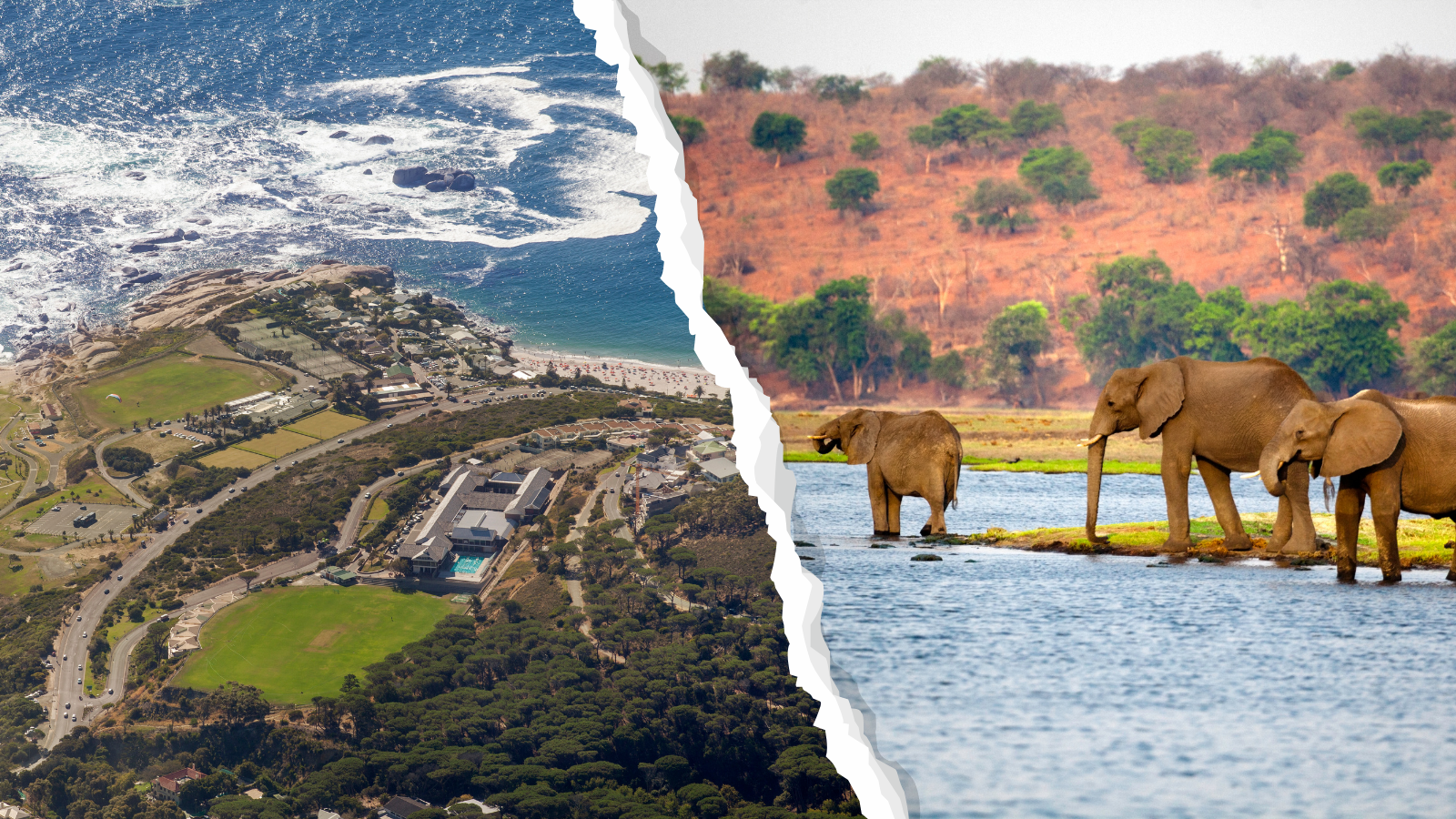
This pairing reshapes expectations of what an African journey can be by combining two experiences that feel entirely different, yet intentionally connected.
Cape Town sets the tone with a sense of ease and sophistication. The city itself is framed by natural beauty, where mountains meet the ocean in a way that feels both dramatic and effortless. Days here are rarely structured too tightly. Mornings might begin with a scenic drive along Chapman’s Peak, where the coastline unfolds in long, sweeping curves. Lunch often turns into an occasion, whether at a vineyard in Stellenbosch or Franschhoek, where food and wine are treated with quiet precision rather than formality.
Time in the winelands moves differently. Afternoons stretch, tastings are unhurried, and the setting encourages presence rather than activity. It is less about checking off estates and more about settling into the rhythm of the region. Evenings return to the city, where dining becomes part of the experience itself, with a culinary scene that rivals global capitals while still feeling grounded in place.
This portion of the journey feels social, open, and expansive.
Transitioning to Botswana shifts that energy almost completely.
Arrivals into the Okavango Delta often happen by small aircraft, immediately signaling a move into something more remote and intentional. From above, the landscape reveals itself as a network of waterways and islands, setting the stage for what will be a far more intimate connection with nature.
Life in the Delta is structured around the environment. Early mornings and late afternoons are dedicated to game drives or mokoro excursions, where wildlife encounters feel close, quiet, and unscripted. Unlike busier safari regions, Botswana’s low-impact tourism model means fewer vehicles, more space, and a sense of exclusivity that is felt rather than stated.
Midday hours slow completely. Guests return to camp, where time is spent resting, observing, or simply absorbing the stillness of the surroundings. Luxury here is not defined by excess, but by access, privacy, and the level of detail in both service and setting. Evenings gather around shared spaces, often by firelight, where the absence of city noise makes every sound more pronounced.
What makes this pairing so compelling is how naturally the transition works when planned with care.
Beginning in Cape Town allows travelers to ease into the journey while still enjoying a high level of comfort and variety. It provides context, energy, and a sense of place before moving into something more immersive. Botswana then deepens the experience, stripping away distraction and replacing it with focus.
The emotional shift is significant. In South Africa, the experience feels vibrant and outward-facing. In Botswana, it becomes quieter, more internal, and deeply grounding.
Logistics play an important role in maintaining this flow. Carefully selected flight routes, well-timed transfers, and thoughtfully chosen lodges ensure the transition feels seamless rather than fragmented. When done correctly, the journey does not feel like two separate trips, but a single narrative unfolding in distinct chapters.
This pairing ultimately works because it offers both refinement and rawness without compromise. It allows travelers to experience Africa through multiple lenses, each enhancing the other in a way that feels both elevated and deeply authentic.
Ideal for: Once-in-a-lifetime trips and significant celebrations
Suggested timing: 14 days or more
Design insight: Seamless transitions depend on carefully curated flights and lodge selections
Chile & Argentina: Landscapes That Expand the Imagination
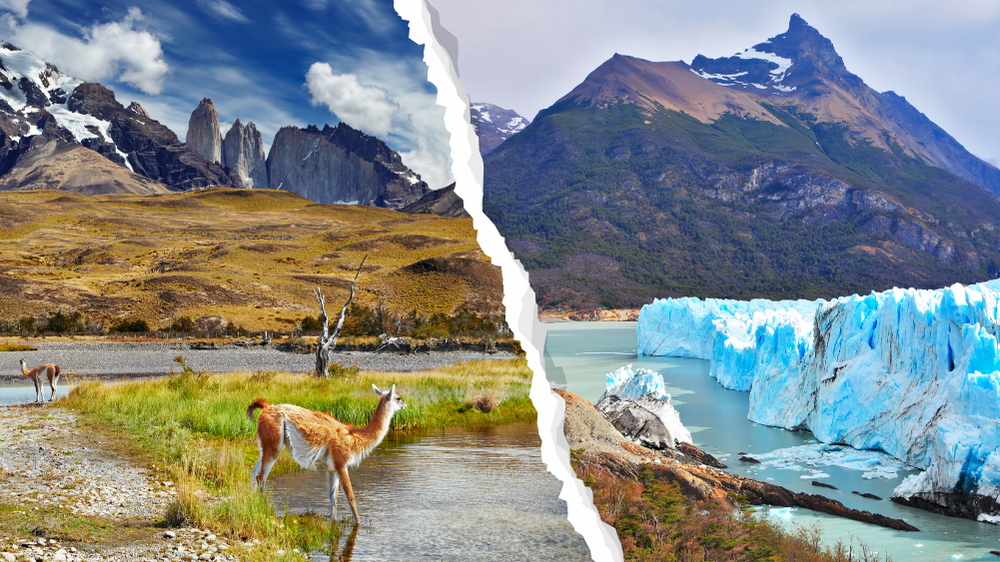
This pairing speaks to travelers who are energized by scale, movement, and the feeling of being somewhere vast enough to shift perspective.
What makes Chile and Argentina work so well together is how seamlessly they deliver variety without losing cohesion. The landscapes are dramatically different, yet geographically and logistically connected in a way that allows the journey to flow rather than fragment.
Patagonia often anchors the experience. On both the Chilean and Argentine sides, the terrain feels raw and cinematic. In Torres del Paine, the peaks rise sharply against open skies, with windswept plains and glacial lakes creating a sense of constant motion. Cross into Argentina, and Los Glaciares National Park introduces a different kind of spectacle, where massive ice fields and the movement of glaciers like Perito Moreno become the focal point.
Days in this region are active by nature. Hiking, guided explorations, and long scenic drives are not just activities but essential ways of engaging with the landscape. The scale demands presence. It slows you down, not through stillness, but through awe.
From there, the journey can shift north into something more grounded and sensory.
In Mendoza, the atmosphere softens. Vineyards stretch toward the Andes, and the pace becomes more deliberate. Wine tastings are intimate and often paired with long, thoughtful meals that highlight regional flavors. After the intensity of Patagonia, this transition feels restorative without losing depth.
Buenos Aires adds yet another layer. The city introduces rhythm, culture, and architectural elegance that feels distinctly European yet unmistakably Argentine. Evenings extend late into the night, shaped by food, conversation, and a social energy that contrasts beautifully with the solitude of the south.
Chile offers its own counterpoints beyond Patagonia as well. The Atacama Desert, for example, presents a stark, otherworldly landscape where salt flats, high-altitude lagoons, and some of the clearest night skies in the world redefine what “natural beauty” can look like. Including it requires careful planning, but when timed well, it adds an entirely different dimension to the journey.
What holds all of this together is thoughtful routing. Flights between regions are relatively short, and border crossings are straightforward, making it possible to experience multiple environments without excessive transit fatigue.
Timing, however, is everything. Seasons in the Southern Hemisphere run opposite to what many travelers are used to, and conditions vary significantly by region. Patagonia, in particular, is at its best during specific months when weather allows for full access to its landscapes. Aligning destinations with the right season ensures the experience feels effortless rather than compromised.
This journey ultimately works because it delivers contrast through landscape rather than culture alone. Each stop expands the visual and emotional scope of the trip, yet nothing feels out of place.
It is expansive in the truest sense, not because of how much is covered, but because of how much is felt.
Ideal for: Active travelers and those celebrating meaningful milestones
Suggested timing: 12 to 16 days
Design insight: Seasonal timing shapes everything. Choosing the right window ensures each region is experienced at its best
A thoughtfully paired itinerary does more than add destinations. It creates rhythm. It tells a story.
For those who value seamless planning, private experiences, and intentional design, the right combination of places can transform a trip into something far more meaningful.
Begin your journey here.